
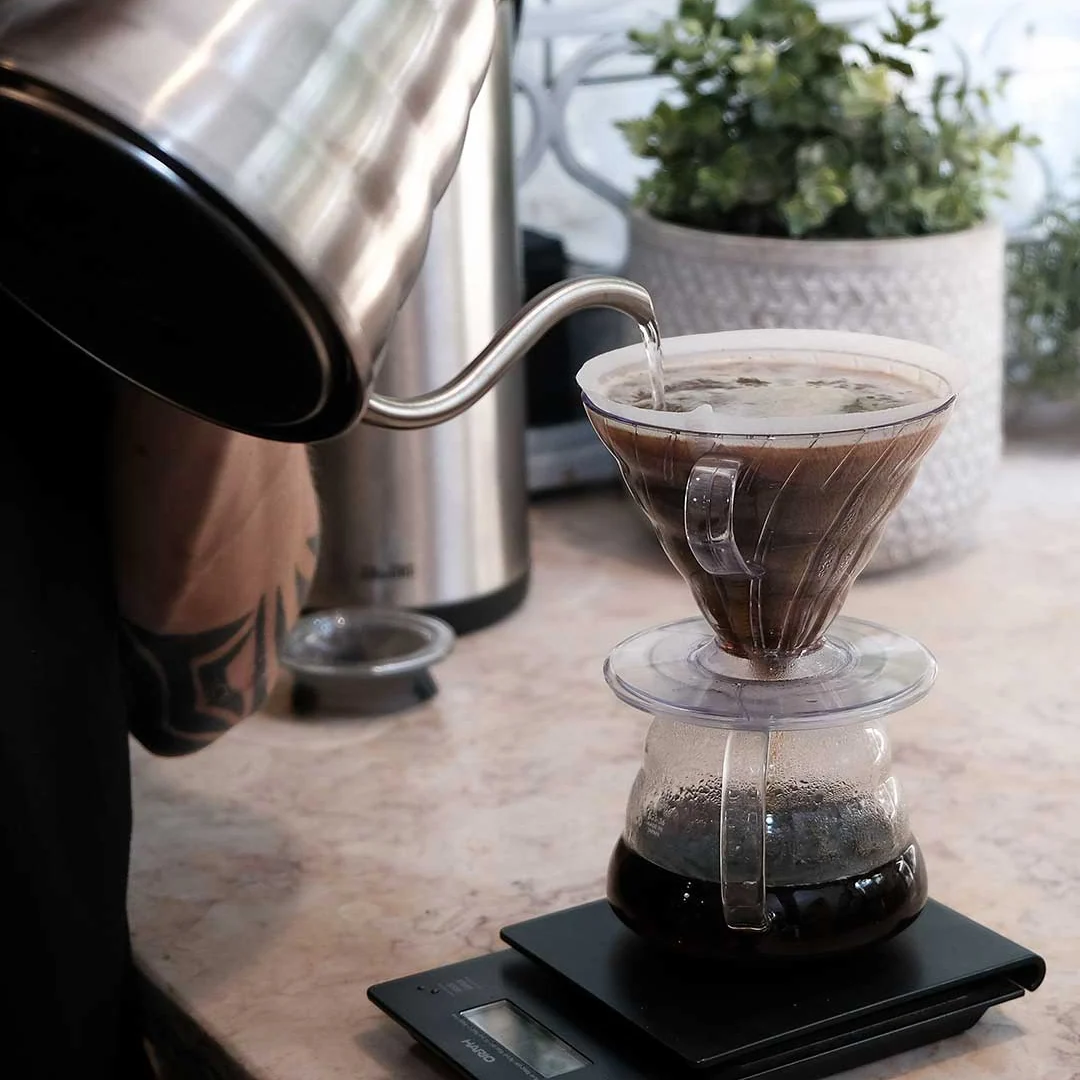
Filter coffee makes it especially easy to reveal the natural flavor and aromatic characteristics of the beans. In such a drink, you can notice the sweetness of ripe berries, the freshness of citrus fruits, delicate jasmine notes, and even the aroma of tropical fruits. Thanks to the possibility to order filter coffee online, you can choose beans with an interesting flavor profile and experiment with different brewing methods at home. However, the richness and expressiveness of these notes depend on the origin of the coffee, growing conditions, processing method, and roast level.
Which Countries Grow Coffee with Fruity and Floral Notes
The geographical origin of the beans largely determines the character of the future drink. Flavor development is influenced by climatic conditions, soil composition, rainfall, and the altitude of the plantations. Arabica grown at an altitude of 1400–2200 meters above sea level often has an especially interesting aromatic profile.
Lovers of fruity and floral coffee should pay attention to beans from the following countries:
- Ethiopia — jasmine, bergamot, blueberry, peach;
- Kenya — blackcurrant, grapefruit, red berries;
- Colombia — apple, passion fruit, orange, floral honey;
- Panama — jasmine, apricot, tropical fruits;
- Rwanda — raspberry, plum, citrus fruits.
The listed characteristics are not necessarily typical of all coffee from a particular country. Even beans from neighboring plantations can differ significantly in acidity, sweetness, and aroma intensity.
How Bean Processing Affects the Flavor Profile
After harvesting, coffee cherries undergo processing to separate the beans from the pulp and prepare them for drying. The selected method largely determines the balance of acidity, sweetness, and body of the drink.
The most common processing methods are:
- washed — provides a clean taste, pronounced acidity, and delicate floral notes;
- natural — contributes to the development of a rich berry and fruity profile;
- honey — makes it possible to achieve balanced sweetness with notes of ripe fruit;
- anaerobic — can give the drink intense notes of tropical fruits, berries, and spices.
Those who prefer a light and refreshing filter coffee should start with washed processing. For a richer drink with pronounced fruity sweetness, natural processing is a good choice.
Roast Level and Freshness of Coffee Beans
Light roasting is most often used to preserve floral and fruity notes. It makes it possible to emphasize the natural characteristics of the beans without masking them with intense bitterness and caramel notes. Medium roasting is also suitable for filter coffee, especially if a softer acidity is preferred.
When buying coffee, several parameters should be considered:
- the roast date;
- the recommended brewing method;
- the description of the flavor profile;
- information about the origin of the beans;
- the airtightness of the packaging.
Beans that are too fresh may contain a large amount of carbon dioxide, which can interfere with even brewing. Light-roasted coffee often requires 7–14 days of rest after roasting. It is advisable to store the beans in tightly sealed packaging protected from light, moisture, and foreign odors.
How to Reveal Fruity and Floral Notes During Brewing
Even high-quality beans can taste too acidic, watery, or bitter if prepared incorrectly. To obtain a balanced drink, it is important to control the water temperature, grind size, and extraction time.
When preparing filter coffee, the following parameters can be used as a reference:
- Coffee-to-water ratio — 1:16 or 1:17.
- Water temperature — 92–96 °C.
- Grind size — medium or medium-fine.
- Brewing time in a dripper — around 2.5–4 minutes.
- Pre-wetting the ground coffee — 30–45 seconds.
These figures serve as a starting point for adjusting the recipe. If the drink is excessively acidic, you can try a slightly finer grind or increase the water temperature. If unpleasant bitterness appears, it is worth trying a coarser grind.
It is also important to use water without a pronounced chlorine smell or excessive mineralization. Its composition directly affects extraction and the perception of delicate aromatic notes.
When choosing coffee for filter brewing, it is worth focusing not only on an attractive flavor description, but also on the characteristics of the beans themselves. The combination of suitable origin, high-quality processing, light roasting, and a properly selected recipe makes it possible to obtain an aromatic drink with natural sweetness, pleasant acidity, and a complex aftertaste. At the same time, fruity and floral notes are revealed without the addition of flavorings or syrups.