
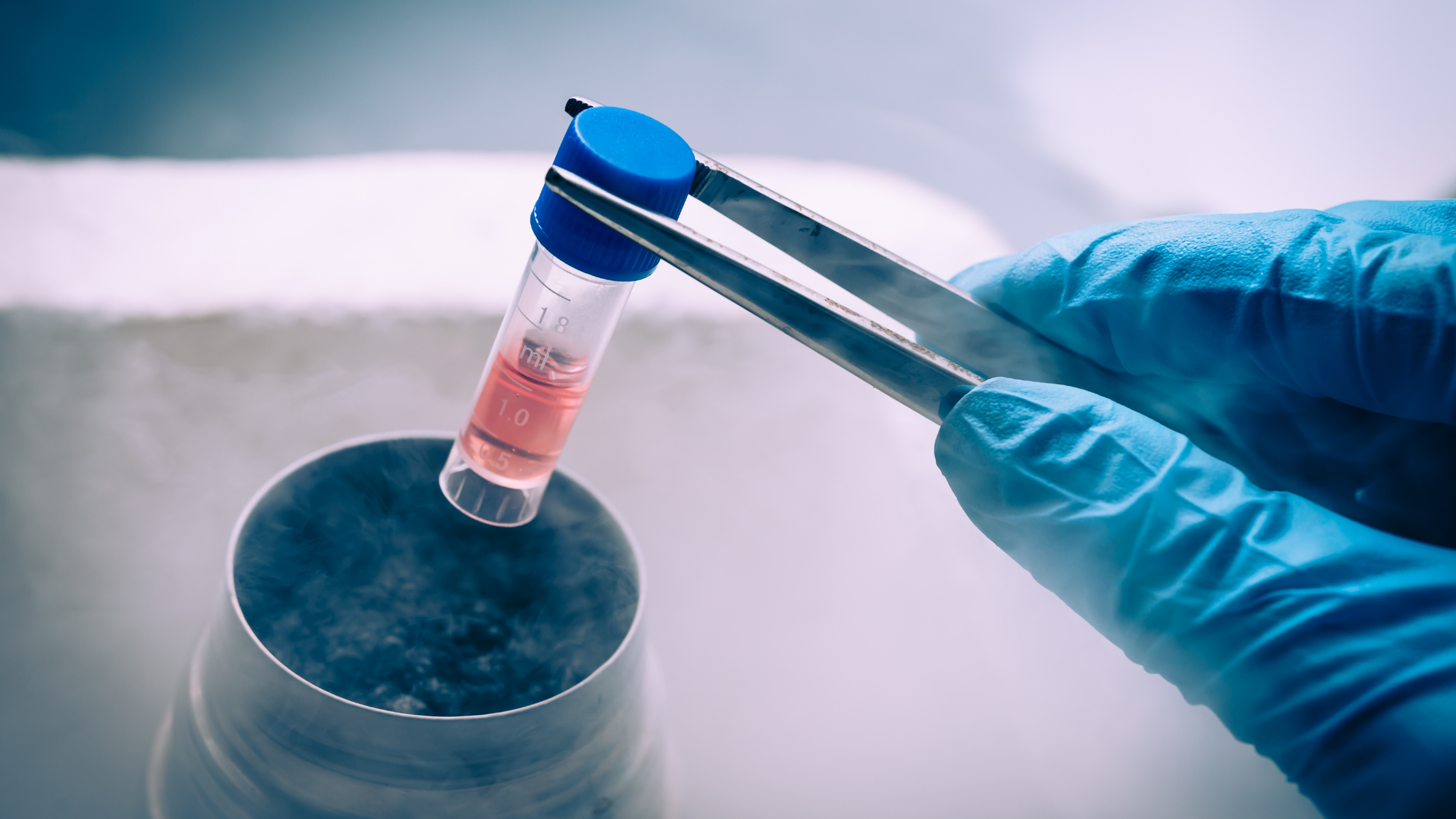
Low sperm concentration, reduced motility, or abnormal morphology are common causes of prolonged difficulties in conceiving and significant emotional stress. In modern clinical practice, stem cell treatment for male infertility is used when it is necessary to restore testicular tissue function and stimulate the natural production of germ cells. This approach focuses on improving a man’s own reproductive potential rather than providing only temporary correction of semen analysis parameters.
Why Spermatogenesis Becomes Impaired
Before discussing treatment, it is important to understand the causes. Spermatogenesis is a complex process of sperm production in the testes, regulated by the hormonal system and dependent on tissue health.
The most common causes of impairment include:
- Varicocele — enlargement of the veins in the spermatic cord, which reduces blood supply to the testes.
- Hormonal imbalances — low testosterone levels or pituitary dysfunction.
- Inflammatory diseases and infections.
- Consequences of injuries or surgeries.
- Toxic exposure (smoking, alcohol, occupational chemical exposure).
According to statistics, men with oligozoospermia (reduced sperm count) may have values 2–5 times lower than the WHO reference standard (less than 15 million sperm per 1 ml of semen). In such cases, standard medical therapy does not always provide stable results.
How Stem Cells Work in Male Infertility
Stem cells have the ability to self-renew and differentiate into various types of body cells. In the context of male infertility treatment, they are used to support the restoration of testicular tissue and improve the microenvironment where sperm cells develop.
Main mechanisms of action include:
- Stimulation of regeneration of damaged seminiferous tubule cells.
- Improved tissue blood supply.
- Reduction of inflammation.
- Support of natural germ cell production.
Recent clinical studies show that some patients experience a 30–60% increase in sperm concentration within several months after cellular therapy. Improvements in motility and sperm morphology have also been reported.
It is important to note that the effect is not immediate. A full spermatogenesis cycle lasts approximately 72–74 days, so the first objective changes are usually evaluated about 3 months after the procedure.
Advantages of Cellular Therapy Compared to Traditional Methods
Many men find that hormonal medications provide only temporary benefits, and surgical treatment does not always completely resolve the issue. Cellular therapy is considered a more comprehensive approach.
Key advantages include:
- Addressing underlying causes rather than only symptoms.
- Minimally invasive procedure.
- Use of the patient’s own cells in most protocols, reducing rejection risk.
- Ability to combine with other treatment methods.
An additional important aspect is psychological. For many men, the idea of using donor sperm is emotionally difficult. Restoring natural spermatogenesis offers the possibility of biological fatherhood without donor material.
After therapy, physicians typically recommend:
- Semen analysis monitoring every 3 months.
- Lifestyle adjustments (smoking cessation, weight management).
- Support with vitamins and micronutrients (zinc, selenium, vitamin D).
A comprehensive approach enhances the effectiveness of cellular therapy and increases the likelihood of natural conception.
Who May Benefit from Stem Cell Therapy
This method is not a universal solution for all cases. It is most often considered for:
- Idiopathic infertility (when the exact cause is unknown).
- Oligozoospermia and asthenozoospermia.
- Consequences of inflammatory conditions.
- Partial testicular tissue atrophy.
In cases of complete azoospermia, especially of genetic origin, the potential benefits may be limited. Therefore, before treatment begins, the following evaluations are essential:
- Extended semen analysis.
- Hormonal profile assessment.
- Ultrasound examination of the scrotal organs.
- Genetic testing when indicated.
Only after comprehensive diagnostics can the prospects of therapy be objectively assessed and expected outcomes discussed.
Stem cell therapy for spermatogenesis is a modern approach offering hope to men with reproductive disorders. With proper patient selection and comprehensive medical support, it may improve semen parameters and increase the chances of natural conception. The key is to undergo thorough evaluation, discuss all risks with a physician, and understand that success depends not only on the procedure itself but also on lifestyle, overall health, and the time required for the body to recover.